
Denis Doulgeropoulos
Your Financial Professional & Insurance Agent
Shortages and Bottlenecks Expose Weak Links in U.S. Supply Chains
U.S. consumers won’t soon forget the troubling shortages of personal protective equipment during the early days of the pandemic, or when the first stay-at-home orders spurred panic buying and stress-inducing shortages of toilet paper, cleaning products, and food.
Economic Reopening and Supply Chain Shortages
As the economy reopened fully, consumers experienced widespread shortages. Furthermore, businesses struggled to hire workers and secure essential raw materials. Consequently, manufacturing slowed and supply chain pressure increased.
Many companies reduced operations during the shutdown. However, they could not increase production quickly enough when demand surged in spring 2021. In addition, widespread COVID-19 vaccinations released pent-up demand faster than expected. As a result, businesses faced unexpected supply gaps.
At the same time, shipping bottlenecks slowed overseas deliveries. Moreover, unexpected disasters disrupted production and logistics. Panic buying also intensified shortages and increased economic stress.
Therefore, several major events placed significant pressure on supply chains. These disruptions affected economies at regional, national, and global levels.
Gas Crisis and Fuel Supply Impact
In mid-May, a ransomware attack forced the shutdown of a major fuel pipeline. This pipeline supplied about 45% of the East Coast’s fuel. Consequently, panic buying caused gasoline shortages despite available reserves.
Furthermore, several states declared emergencies to control the crisis. Gas prices surged to their highest levels in more than six years. Additionally, regions heavily dependent on the pipeline experienced the greatest price increases.
Trade Disruptions and Shipping Delays
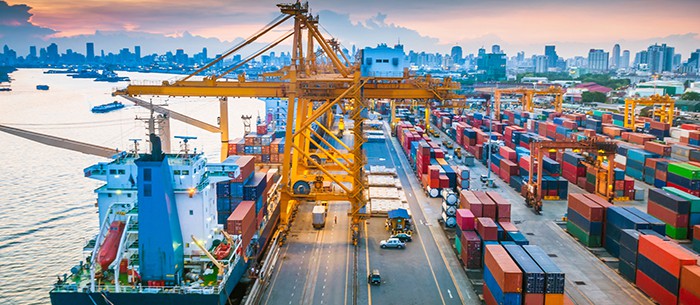
Shipping delays caused shortages of raw materials and consumer goods. In particular, congestion at major West Coast ports left container ships waiting offshore. As a result, businesses experienced inventory shortages.
These delays peaked in early 2021 when imports increased sharply. However, vaccination efforts helped port workers resume operations. Consequently, operators worked to reduce backlogs and restore normal flow.
In addition, a cargo ship blocked the Suez Canal for six days. This event disrupted global trade significantly. Therefore, shipping capacity remained strained while transportation costs increased.
Texas Freeze and Manufacturing Disruptions
A severe winter storm in Texas shut down power grids and chemical plants. As a result, production of plastics and critical materials stopped. These materials supported manufacturing of auto parts, electronics, and construction supplies.
Consequently, manufacturers faced production delays and higher costs. Many companies passed these increased costs to consumers. In addition, poultry processing plants shut down, which caused chicken shortages and rising food prices.
Lumber Shortage and Housing Cost Increases
During the early pandemic, lumber mills closed due to weak demand expectations. However, housing demand increased rapidly as consumers pursued home purchases and renovations. Consequently, lumber supply could not meet demand.
As a result, lumber prices increased more than 300%. Therefore, construction costs rose significantly and increased home prices. This situation created additional financial pressure for buyers.
Semiconductor Shortage and Automotive Impact
A global semiconductor shortage limited production across multiple industries. These industries included automobiles, electronics, appliances, and communication equipment. Consequently, manufacturers reduced production levels.
Automakers cut production of more than one million vehicles in North America. Furthermore, dealer inventories declined while vehicle prices increased sharply. Therefore, consumers faced limited availability and higher purchase costs.
In response, lawmakers proposed investments to strengthen domestic semiconductor production. Consequently, these efforts aim to reduce future supply chain risks.
Labor Shortages and Workforce Challenges
Many employers struggled to find workers for open positions. In some cases, unemployment benefits exceeded wages offered by employers. Consequently, workforce participation declined.
Additionally, child care challenges and skill gaps limited employment opportunities. To attract workers, companies increased wages and improved benefits. Therefore, labor costs increased across many industries.
Economic Lessons and Long-Term Outlook
Businesses faced difficult decisions during supply chain disruptions. Although some constraints may ease, others could continue longer. For example, semiconductor shortages may require extended recovery periods.
Furthermore, recent events revealed vulnerabilities in infrastructure and supply systems. Cyberattacks, weather disasters, and global disruptions can severely impact economic stability. Consequently, businesses must strengthen supply chain resilience.
Inflation increased significantly as shortages pushed consumer prices higher. Even if inflation slows later, prices often remain elevated. Therefore, consumers may continue to face financial challenges.
Ultimately, the future economic outlook depends on business adaptation and policy decisions. Companies that strengthen supply chains and invest in resilience will achieve greater long-term stability.
1–2, 12) The Wall Street Journal, May 13, 2021
3) Bloomberg, May 16, 2021
4) Bloomberg, May 3, 2021
5) The Wall Street Journal, March 17, 2021
6) Associated Press, April 25, 2021
7) CNBC.com, April 30, 2021
8–9) The Wall Street Journal, April 19 and May 13, 2021
10) Reuters, May 17, 2021
11) The Wall Street Journal, May 20, 2021
This information is not intended as tax, legal, investment, or retirement advice or recommendations, and it may not be relied on for the purpose of avoiding any federal tax penalties. You are encouraged to seek guidance from an independent tax or legal professional. The content is derived from sources believed to be accurate. Neither the information presented nor any opinion expressed constitutes a solicitation for the purchase or sale of any security. This material was written and prepared by Broadridge Advisor Solutions. © 2021 Broadridge Financial Solutions, Inc.